More Airbnb, Less Homes
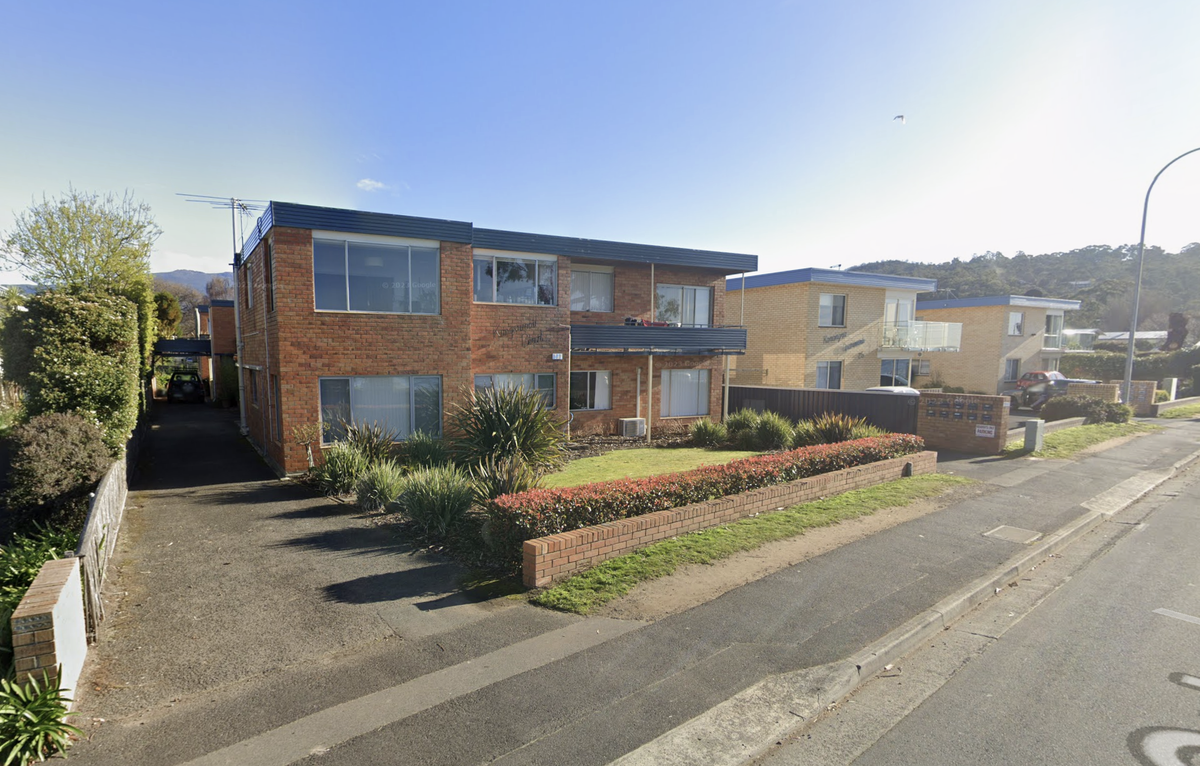
For a few years on McDonald's wages, three of us shared a two-bedroom flat in Kingston Beach. Housing like that is a core need for young people getting a foothold on life. It's exactly what disappears when small units become Airbnbs.
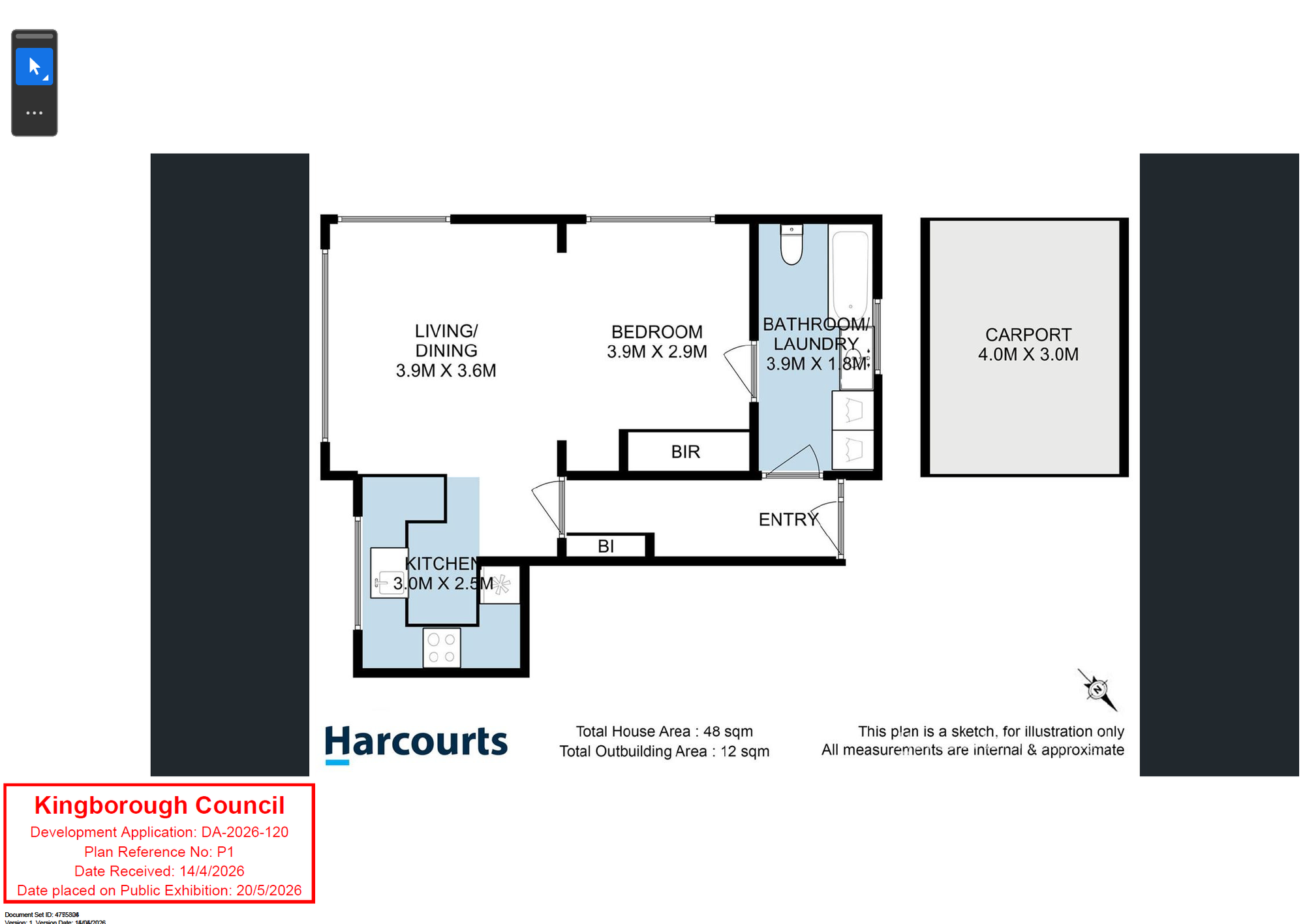
There's a development application on public notice right now: DA-2026-120, Unit 2/26 Osborne Esplanade, Kingston Beach. A 48sqm one-bedder, proposed to convert from residential to visitor accommodation. Two guests, listed on Airbnb. One flat. One less rental on the market.
The ABC reported last week that Tasmania added 498 whole-home short stays in just over 12 months. The statewide total is now 4,719. Kingborough alone has 722 short-stay premises in Q1 2026, fifth in the state behind Hobart, Launceston, Clarence and Glamorgan-Spring Bay.
Emeritus Prof Peter Phibbs told the ABC that whole-home short stays now sit at around 8% of Tasmania's long-term rental market. Probably double what Melbourne or Sydney are seeing. Hobart Lord Mayor Anna Reynolds was blunt: "It is really concerning how many rental properties we are losing to the short-stay market."
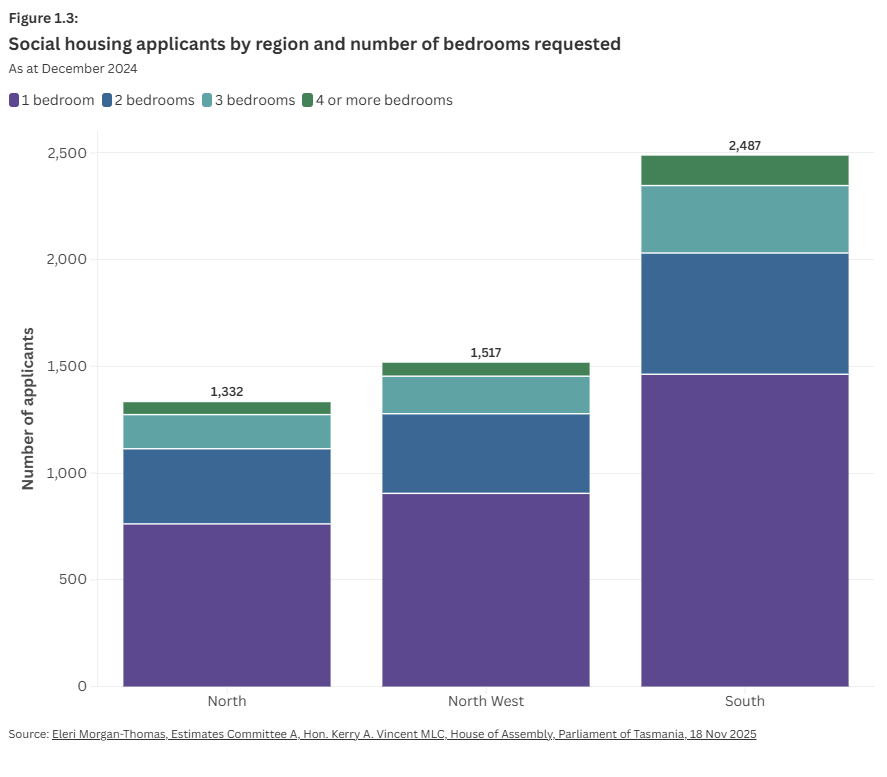
Meanwhile the social housing waitlist sits at 5,097. Priority applicants wait 81 months.
The 5% short-stay levy passed the lower house last Friday and is now in the upper house. Worth doing. But a levy doesn't bring a single unit back.
Planning permits are the actual lever. This application is discretionary, which means Kingborough Council can refuse it on grounds like residential character, parking adequacy, or the cumulative impact of similar uses in the area. (And it's worth noting the applicant's own visitor management plan contradicts itself: the guest cap says two people, but the car parking section mentions "a maximum of four guests." Councils notice that kind of thing when locals put it on the record.) They only exercise that discretion when the community makes representations. No reps, no refusal.
Reps close 2 June. Email [email protected] and quote DA-2026-120.